
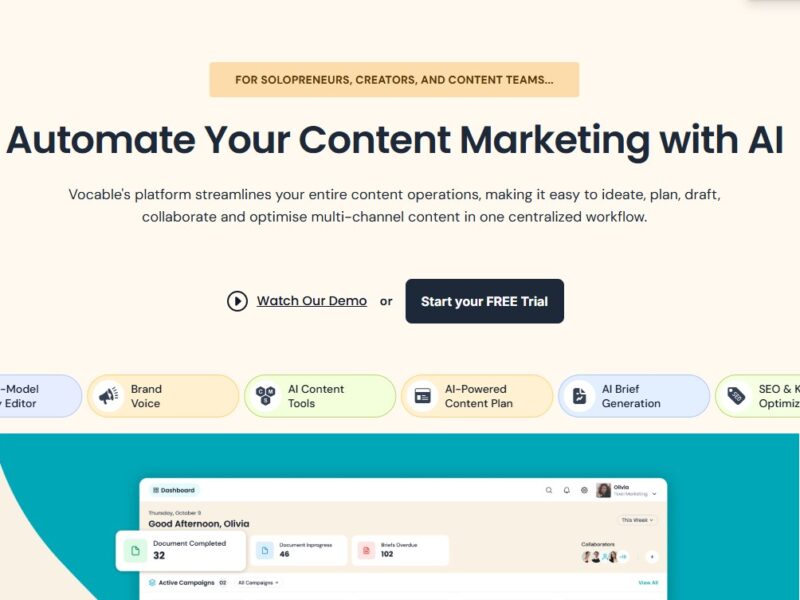
Vocable
What is Vocable?
Vocable is an AI-powered language learning platform that provides an engaging and effective way for users to master new languages. Unlike traditional language learning apps, Vocable uses advanced algorithms to personalize the learning experience based on individual progress and learning styles. It offers a comprehensive set of tools for vocabulary building, listening practice, pronunciation improvement, and more, catering to a wide range of learners—from beginners to advanced speakers.
Features
-
AI-Powered Personalization: Vocable adapts to the learner’s progress, adjusting the difficulty level and recommending content that best suits their pace and learning style.
-
Vocabulary Builder: With an extensive database of words and phrases, Vocable helps users expand their vocabulary with interactive flashcards and spaced repetition techniques.
-
Pronunciation Practice: The app uses speech recognition technology to help users improve their pronunciation by providing real-time feedback.
-
Interactive Exercises: Users can engage with exercises like quizzes, fill-in-the-blanks, and listening activities to reinforce learning.
-
Speech Recognition Technology: Vocable offers speech-to-text features that assess your pronunciation and provide immediate feedback.
-
Multi-Language Support: Whether you’re learning Spanish, French, German, or any other major language, Vocable supports a wide array of options for learners.
-
Progress Tracking: The platform tracks your learning journey, allowing you to see how far you’ve come and which areas need improvement.
Pros & Cons
Pros:
-
AI-Driven Customization: Vocable tailors lessons based on your performance, ensuring that you are constantly challenged without feeling overwhelmed.
-
User-Friendly Interface: The app is simple to navigate, making it accessible to all age groups and skill levels.
-
Effective Pronunciation Practice: With real-time feedback, users can significantly improve their pronunciation and speaking confidence.
-
Wide Language Selection: Vocable supports a variety of languages, making it suitable for learners with different interests.
-
Comprehensive Learning Tools: The combination of flashcards, quizzes, and interactive exercises ensures that learning stays engaging and diverse.
Cons:
-
Limited Free Version: While the free version offers basic features, advanced functionalities require a paid subscription.
-
Dependency on Technology: As an AI-driven tool, it heavily relies on technology and may not work as effectively in areas with poor internet connectivity.
-
Learning Speed Varies: Some users may find the pace of learning to be too slow or fast based on their skill level and expectations.
Use Cases of Vocable:
-
Beginner Learners: Ideal for beginners who want to build a solid foundation in a new language. The vocabulary builder and pronunciation tools make it easier to grasp basic concepts.
-
Intermediate Learners: Those who have basic language skills can use Vocable to expand their vocabulary and work on pronunciation through more advanced exercises.
-
Busy Professionals: For people who need to learn a new language on the go, Vocable offers flexibility with its mobile app, allowing you to learn during commutes or breaks.
-
Travelers: If you’re planning a trip abroad, Vocable’s quick vocabulary and phrase guide can help you communicate better with locals.
-
Language Enthusiasts: Even if you’re not learning for a specific reason, the app’s engaging tools make language learning fun and enjoyable.
Vocable Compared to Other Language Learning Tools
When compared to other popular language learning platforms like Duolingo, Babbel, and Rosetta Stone, Vocable stands out for its AI-driven personalization and focused pronunciation practice.
-
Vocable vs Duolingo: While Duolingo is popular for its gamified approach, Vocable takes a more customized approach by adapting lessons based on the learner’s progress. It also focuses more on pronunciation and real-time speech feedback.
-
Vocable vs Babbel: Babbel offers structured courses tailored to real-life conversations. However, Vocable’s use of AI and speech recognition technologies make it better for learners who need more interactive and personalized support.
-
Vocable vs Rosetta Stone: Rosetta Stone is known for its immersive method but may lack personalized feedback. Vocable’s tailored learning and immediate pronunciation corrections make it more effective for modern learners.
In conclusion, Vocable is a powerful language learning tool that stands out for its AI-powered features, personalized learning experience, and advanced pronunciation practice. Whether you’re just starting out or looking to refine your skills, Vocable offers a comprehensive and engaging solution. While it has some drawbacks, like limited free features and reliance on internet access, its strengths make it a top contender for anyone serious about learning a new language.
FAQs
1. Is Vocable free?
Yes, Vocable offers a free version, but to access premium features like advanced lessons and unlimited exercises, you’ll need to upgrade to a paid plan.
2. Which languages can I learn with Vocable?
Vocable supports several languages, including but not limited to Spanish, French, German, Italian, and more.
3. Can I use Vocable on my mobile device?
Yes, Vocable is available as a mobile app for both Android and iOS, making it easy to learn on the go.
4. Does Vocable help with speaking and pronunciation?
Absolutely! Vocable uses speech recognition technology to provide real-time feedback on your pronunciation, making it an effective tool for improving your speaking skills.
5. How does Vocable personalize my learning experience?
Vocable uses AI to analyze your progress and learning patterns, adapting lessons to your pace and skill level, ensuring you are always challenged without feeling overwhelmed.