
Flamingo
What is Flamingo?
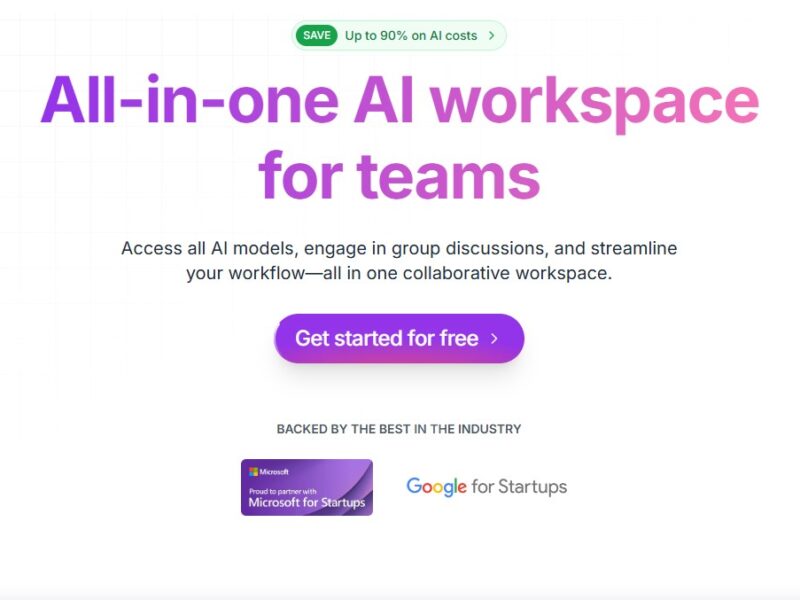
Flamingo is an AI-powered platform designed to automate and optimize various business processes, particularly in the realms of customer service, sales, and marketing. Using advanced machine learning algorithms, Flamingo helps businesses automate repetitive tasks, analyze data for insights, and improve customer interactions through smart automation tools. Whether you’re a small business or a large enterprise, Flamingo offers scalable solutions tailored to the unique needs of your organization.
The platform is user-friendly, offering a combination of pre-built AI models and customizable features, which allows businesses to easily integrate Flamingo into their existing workflows. By leveraging AI, Flamingo aims to reduce manual effort, enhance productivity, and enable businesses to make smarter, data-driven decisions.
Features
-
AI-Powered Automation
Flamingo offers intelligent automation for various business functions, including customer service, lead management, and content creation. It can automate workflows, send personalized messages, and respond to customer queries instantly. -
Natural Language Processing (NLP)
Flamingo integrates sophisticated NLP capabilities, allowing it to understand and process human language. This feature is particularly useful for chatbots, customer support systems, and content generation, enabling seamless interactions with customers in real-time. -
Advanced Analytics and Reporting
The platform provides detailed analytics and reporting tools that help businesses track key performance metrics, monitor sales and marketing campaigns, and identify areas for improvement. Flamingo’s data-driven insights help organizations optimize their operations. -
Customizable AI Models
Flamingo allows businesses to customize AI models to better suit their specific needs. This means you can fine-tune the platform to handle particular tasks, industries, or customer segments, ensuring a highly tailored approach to automation. -
Integration with Popular Tools
Flamingo integrates with a variety of third-party tools, such as CRM systems (e.g., Salesforce, HubSpot), email marketing platforms, and social media tools, making it easy to incorporate the platform into your existing tech stack. -
User-Friendly Interface
Flamingo’s interface is designed with non-technical users in mind. Even if you’re not familiar with AI or automation, the platform’s drag-and-drop features and customizable templates make it accessible and easy to use.
Pros & Cons
Pros:
-
Time and Cost Savings
By automating routine tasks, Flamingo helps businesses save both time and money. It eliminates manual processes, reduces human error, and allows employees to focus on more strategic tasks. -
Improved Customer Experience
Flamingo’s AI-driven chatbots and customer support tools provide quicker responses to customer inquiries, leading to higher satisfaction rates. Additionally, personalized interactions can help businesses build stronger relationships with their customers. -
Scalability
Flamingo is designed to scale with your business. Whether you’re a small business or a large enterprise, the platform can grow alongside you, adapting to your changing needs as your company expands. -
Data-Driven Insights
Flamingo provides actionable insights based on collected data. This enables businesses to make informed decisions, improve marketing campaigns, and refine customer strategies based on real-time analytics. -
Customizability
Flamingo’s customizable AI models and workflows allow businesses to tailor the platform to their specific needs, ensuring that the automation fits the company’s goals and objectives.
Cons:
-
Learning Curve
While Flamingo is user-friendly, new users may experience a slight learning curve when initially setting up the platform or configuring AI models. Some understanding of automation workflows may be necessary to get the most out of the tool. -
Pricing
Flamingo’s pricing may be on the higher end, particularly for small businesses or startups. While the platform offers significant value, businesses with limited budgets might find the cost prohibitive. -
Limited Advanced Features for Specialized Use Cases
While Flamingo is versatile, it may not offer the deep customization that certain industries or specialized use cases require. Businesses with very specific automation needs might need additional tools to complement Flamingo’s capabilities. -
Dependency on Quality Data
The effectiveness of Flamingo’s AI models depends on the quality of the input data. If the data is incomplete or inaccurate, the platform’s performance may be compromised, leading to suboptimal automation.
Use Cases of Flamingo:
-
Customer Support Automation
Flamingo’s AI-driven chatbots can handle customer inquiries 24/7, reducing the workload on human agents and ensuring that customers receive timely responses. This is especially beneficial for businesses with high customer service demands. -
Lead Generation and Management
Flamingo automates the process of capturing, scoring, and nurturing leads. By integrating with CRM systems, it ensures that sales teams focus their efforts on high-quality leads, improving conversion rates. -
Marketing Campaign Optimization
Flamingo’s advanced analytics help businesses optimize their marketing campaigns by analyzing customer behavior, tracking key metrics, and suggesting improvements based on real-time data. -
E-Commerce
E-commerce businesses can use Flamingo to automate product recommendations, manage inventory, and handle customer service. It can also assist with dynamic pricing and personalized marketing strategies, enhancing the customer experience. -
Content Creation
Flamingo’s NLP capabilities allow businesses to generate written content for blogs, social media, and email campaigns. This automation reduces the time and effort required for content production and ensures consistency in messaging.
Flamingo Compared to Other Tools
Flamingo vs. Zapier
Both Flamingo and Zapier are automation tools, but they serve slightly different purposes. Zapier is primarily a workflow automation tool that connects various apps and automates simple tasks, while Flamingo is a more comprehensive AI-driven platform that focuses on automating customer interactions, sales, and marketing functions.
Flamingo’s AI capabilities provide more advanced automation options, such as natural language processing and advanced analytics, while Zapier is more focused on app integrations. Flamingo would be ideal for businesses looking for intelligent, data-driven automation, whereas Zapier is better suited for those who need simple task automation.
Flamingo vs. HubSpot
HubSpot is another popular tool for automation, particularly in the marketing and sales spaces. While HubSpot offers a robust suite of CRM, email marketing, and content management tools, Flamingo sets itself apart by providing AI-powered features such as NLP, custom AI models, and real-time analytics.
Flamingo is particularly useful for businesses looking to incorporate AI into their operations, while HubSpot provides a more traditional approach to automation with a focus on inbound marketing. Both tools are powerful, but businesses seeking advanced AI functionality may lean toward Flamingo.
Flamingo vs. Drift
Drift is another AI-powered tool focused on customer support and lead generation through chatbots. While both Drift and Flamingo offer similar customer interaction features, Flamingo provides a broader range of automation, including analytics, reporting, and advanced machine learning capabilities.
Flamingo also excels in areas like marketing automation and e-commerce integration, while Drift is primarily focused on conversational marketing and chatbots. Businesses looking for a more comprehensive automation tool might prefer Flamingo, while those specifically in need of chat-based automation might opt for Drift.
Flamingo is an advanced AI-powered platform that offers businesses the tools to automate key processes, enhance customer experiences, and gain valuable data-driven insights. With its powerful automation capabilities, customizable AI models, and integration with other popular tools, Flamingo is well-suited for businesses of all sizes. Whether you’re looking to automate customer support, lead generation, or marketing campaigns, Flamingo offers a comprehensive solution that can save time and improve productivity.
However, businesses should consider the platform’s pricing and complexity before making a decision. While Flamingo provides significant value, smaller companies with limited budgets or specialized needs may need to assess whether it’s the right fit.
FAQs
1. How does Flamingo automate customer support?
Flamingo uses AI-driven chatbots and NLP technology to handle customer inquiries in real-time, offering quick responses and reducing the workload of human agents. It can be integrated with your existing customer service tools for seamless automation.
2. Can Flamingo be used for small businesses?
Yes, Flamingo is scalable and can be used by businesses of all sizes. However, small businesses should assess the cost and complexity of the platform to determine if it aligns with their needs and budget.
3. How customizable are Flamingo’s AI models?
Flamingo allows businesses to customize AI models to suit their specific needs. You can fine-tune the automation to handle particular tasks, industries, or customer segments, ensuring a tailored approach.
4. Does Flamingo provide analytics and reporting?
Yes, Flamingo offers advanced analytics and reporting tools to track key performance metrics, monitor marketing campaigns, and gather actionable insights for optimization.
5. Is Flamingo easy to integrate with other business tools?
Flamingo integrates with a wide range of third-party