
Typeset
What is Typeset?
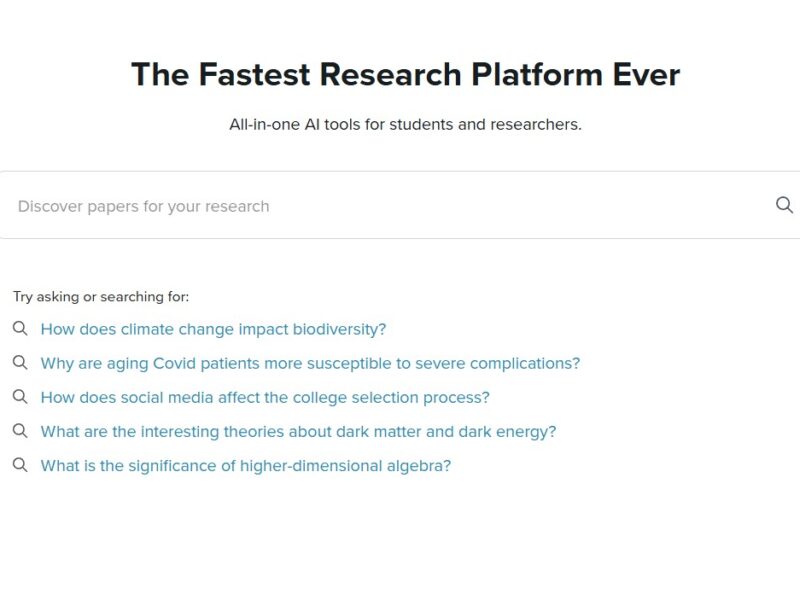
Typeset is an advanced manuscript writing and formatting platform designed for academic researchers, authors, and scientists. It simplifies the process of creating, formatting, and submitting research papers, journals, and academic articles. With a focus on streamlining the writing and submission workflow, Typeset eliminates the need for time-consuming manual formatting, ensuring that manuscripts are prepared in the exact specifications required by academic journals and conferences. By offering a range of tools for collaboration, formatting, and publication, Typeset has become a preferred choice for academic professionals worldwide.
Features
Typeset offers a comprehensive suite of features tailored for academic writing and publishing:
-
Pre-Built Templates for Journals: Typeset comes with pre-configured templates that follow the submission guidelines of thousands of academic journals, ensuring compliance with the most common formatting requirements.
-
Automatic Formatting: The platform automatically formats manuscripts in compliance with journal standards, including citation styles (APA, MLA, Chicago, etc.), font settings, margin requirements, and referencing styles.
-
Collaboration Tools: Typeset allows authors to work together on documents in real-time, making it ideal for teams and collaborative research projects. Multiple contributors can easily add or edit content without issues.
-
Version Control: With version tracking, users can manage document revisions effectively, ensuring that no critical changes are lost and that the final draft is properly documented.
-
Reference Management: Typeset integrates with popular reference management tools like Zotero and Mendeley, making citation and bibliography management a breeze. It even auto-generates citations and references as you write.
-
Journal Submission Integration: Once the manuscript is complete, Typeset enables direct submission to numerous academic journals. This feature eliminates the hassle of manual submission and streamlines the publishing process.
-
Rich Editing Features: Typeset offers a rich set of editing tools for adding equations, tables, and figures. The platform supports LaTeX for users who need advanced typesetting capabilities.
-
Cloud-Based: Typeset is cloud-based, meaning you can access your work from any device, anywhere. It also allows for seamless collaboration, file sharing, and editing across devices.
Pros & Cons
Pros:
-
Time-Saving: Typeset automates many time-consuming tasks such as formatting, referencing, and manuscript preparation, making the writing process more efficient.
-
Journal-Specific Templates: The platform provides ready-made templates for thousands of journals, ensuring accuracy and compliance with submission standards.
-
Collaboration-Friendly: Typeset’s real-time collaboration tools are invaluable for multi-author papers, enabling seamless editing and feedback.
-
Cloud-Based: Access your manuscripts from any device, making it easy to work from anywhere, even when on the go.
-
Integrated Reference Management: Typeset integrates with major reference managers, allowing for effortless citation generation and management.
Cons:
-
Learning Curve: While Typeset is user-friendly, the number of features and options available may take some time to master, especially for new users.
-
Subscription Cost: Typeset is a subscription-based service, which may be cost-prohibitive for some independent authors or small research teams.
-
Limited to Academic Writing: Typeset is specifically geared towards academic writing and publishing. It may not be as useful for general content creation or other types of writing projects.
-
No Offline Mode: Since Typeset is cloud-based, it requires an internet connection. This can be limiting in areas with poor connectivity.
Use Cases for Typeset:
Typeset is ideal for a variety of academic professionals and institutions:
-
Researchers: Academic researchers can save time by automating the manuscript formatting and submission process, allowing them to focus more on research and writing.
-
University Professors and Educators: Professors can use Typeset to streamline the creation of academic articles, textbooks, and teaching materials.
-
Postgraduate Students: Graduate and doctoral students can leverage Typeset to handle complex manuscript formatting and citation requirements while focusing on their research.
-
Scientific Journals and Editors: Scientific journal editors can use Typeset to facilitate the manuscript review and submission process, improving workflow efficiency.
-
Collaborative Writing Teams: Research teams working on multi-author papers or articles benefit from Typeset’s real-time collaboration features and version control.
Typeset Compared to Other Tools
When compared to other academic writing tools like Overleaf, Mendeley, and EndNote, Typeset offers several unique advantages:
-
Overleaf: Overleaf is a LaTeX-based platform, ideal for those who prefer coding-based typesetting. Typeset, however, offers an easier interface for users who may not be familiar with LaTeX. Typeset also supports direct journal submission, something Overleaf lacks.
-
Mendeley: Mendeley is primarily a reference manager, while Typeset offers a more comprehensive solution for manuscript writing, formatting, and submission. Typeset includes built-in templates and formatting tools, whereas Mendeley focuses mainly on citation and reference organization.
-
EndNote: EndNote is known for reference management, while Typeset handles not only references but also document creation, formatting, and submission. EndNote requires manual formatting adjustments, whereas Typeset automates this process.
In summary, Typeset differentiates itself by providing an all-in-one solution for academic writing, formatting, referencing, and submission, making it a more convenient tool for academics than its competitors, which tend to specialize in specific areas like citation management.
Typeset is a powerful platform for academic professionals looking to streamline the writing, formatting, and submission process. Its pre-built journal templates, automatic formatting features, and reference management tools make it an indispensable tool for researchers, educators, and students. Although it may require an initial learning curve and comes with a subscription cost, its time-saving capabilities and comprehensive features make it an excellent investment for those serious about academic publishing. Whether you’re submitting to top-tier journals or collaborating with a research team, Typeset simplifies the process, allowing you to focus more on content creation and less on formatting.
FAQs
-
Is Typeset free to use?
Typeset offers a paid subscription model, but it may offer a limited free trial for new users to explore the features. -
Can I collaborate with others on Typeset?
Yes, Typeset has robust collaboration tools that allow multiple authors to work on a manuscript in real-time, making it ideal for multi-author research papers. -
Does Typeset support LaTeX?
Yes, Typeset supports LaTeX for users who require advanced typesetting options for mathematical formulas, equations, and scientific notation. -
How does Typeset help with journal submission?
Typeset provides integrated tools for directly submitting your formatted manuscript to a wide range of academic journals, saving you time on the submission process. -
Is Typeset suitable for non-academic writing?
While Typeset is primarily designed for academic writing, its focus on manuscript formatting and citation management means it is less suitable for general content creation or business writing projects.